
Avoid Duplicate Gifts: UK Toy Gift Ideas in 3 Steps with WantThis
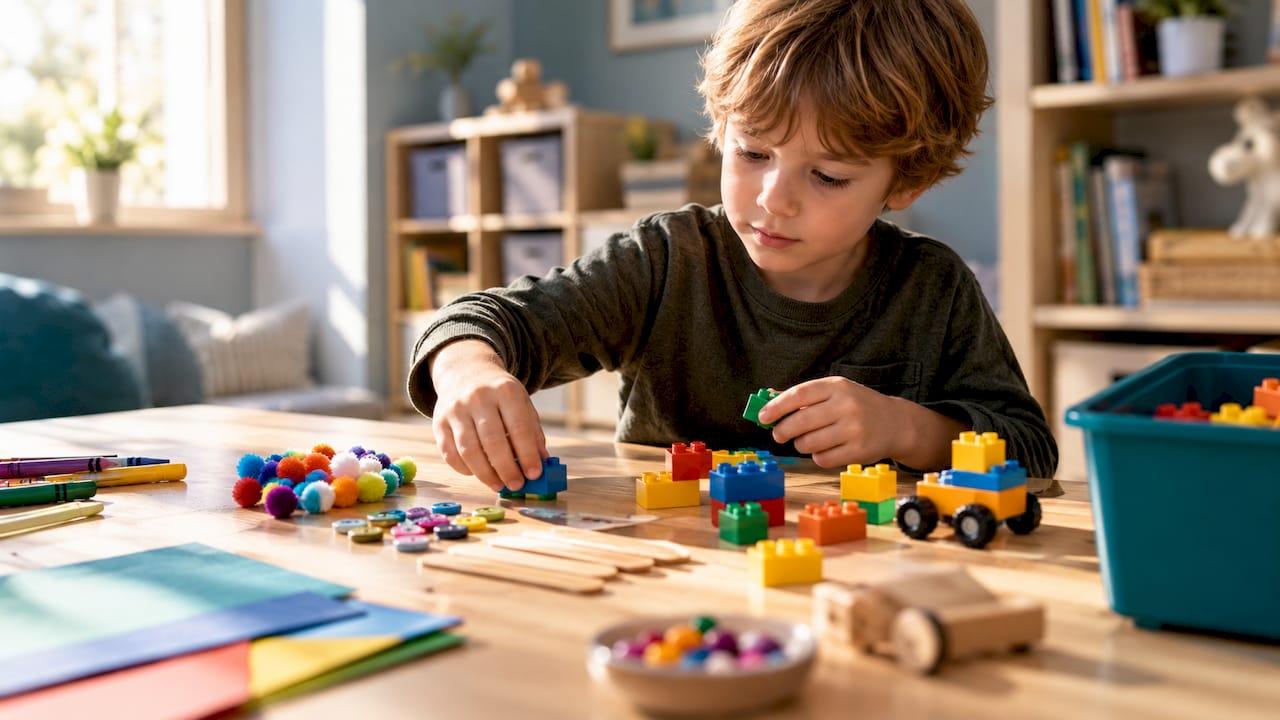
Choose by age first, budget second, then style: educational, imaginative, or family. A 2 year old needs sturdy sensory toys, a teenager wants something that respects their interests, and a £15 budget can still land brilliantly if you go for magnetic tiles instead of a plastic novelty. Once you’ve narrowed those three things, a wishlist tool like Wantthis makes it easy to save, share, and avoid buying the same thing as Auntie Jean.
TL;DR:
- Magnetic tiles and open-ended construction sets are highly durable and versatile, providing genuine play value that can last for years.
- Toys with expandable features or spare parts, like science kits or bikes, increase longevity and user engagement over time.
- Personalising gifts with specific interests or bundling them with related items creates a more meaningful and memorable experience.
- Using a wishlist platform helps prevent duplicate gifts and simplifies coordinating multiple children’s presents, especially for family swaps.
- Sensory-friendly toys and accessible adaptations support children with disabilities better than standard options, emphasizing safety and durability.
Table of Contents
- Toy gift ideas by age
- Toy gift ideas by budget
- Long-lasting and educational toy picks
- How to choose the right toy without guessing wrong
- Organise your toy gift ideas with Wantthis
- Gift ideas for children with special needs or disabilities
- How to personalise a toy gift so it feels special
- What I actually do when buying toys for other people’s kids
- Build your toy gift list with Wantthis
- Sources
- FAQ
Toy gift ideas by age
Age is the fastest filter for any toy gift, but it’s a starting point, not a rulebook. Good Housekeeping’s age-by-age testing consistently finds that the best-reviewed toys in each bracket balance safety with genuine play value, not just bright packaging.
- Babies (0 to 12 months): soft stacking cups for grasping practice, a high-contrast activity gym, and a durable teether. Check for CE or UKCA safety marks and avoid anything with small detachable parts.
- Toddlers (1 to 3 years): wooden shape sorters, ride-on toys, and simple push-along walkers. These build motor skills and confidence; always check batteries are in a screwed compartment, not just clipped shut.
- Preschool (3 to 5 years): dress-up sets, a first bike, and beginner construction blocks. Look for age labels on the box; anything marked for older children may include small pieces.
- Primary school (6 to 11 years): science experiment kits, a beginner board game, and a scooter or skates for outdoor play. This is prime territory for educational toy ideas that don’t feel like homework.
- Tweens and teens (12+): wireless headphones, a strategy card game, or hobby-specific gear tied to what they already love. Our teen wishlist ideas guide covers what actually gets used rather than shelved.
Toy gift ideas by budget
Price doesn’t dictate how good a gift feels. A well-chosen £12 toy often beats an expensive one nobody plays with twice, and knowing what “good value” looks like at each price point saves both money and disappointment.
- Under £15: stocking fillers like a mini puzzle cube, a pack of collectable figures, or modelling clay. Good value here means multi-use potential, not a single gimmick.
- Under £50: construction sets, a mid-range board game, or a decent art supplies kit. Check reviews for durability and whether spare parts or expansion packs are available later.
- £50 and above: bigger investment pieces such as a quality bike, a robotics kit, or a well-reviewed gaming accessory. These work best when they’ll be used for years, not months.
Last-minute buys still feel thoughtful if they’re specific to the child’s interests rather than generic. Which’s tested gift roundup is a reliable place to check reviews fast before you commit to a price bracket.
Long-lasting and educational toy picks
Open-ended toys, the kind with no fixed “right way” to play, tend to outlast trend-driven ones because a child’s imagination adapts them as they grow. Play-focused experts at Busy Toddler argue that a good set of magnetic tiles or building blocks gets more genuine play across five years than most single-purpose toys manage in five months.
Categories worth prioritising:
- Magnetic building tiles
- Open-ended construction sets (wooden blocks, interlocking bricks)
- Story-based audio players for pre-readers
- Craft kits (sewing, jewellery-making, model painting)
- Family board games with variable difficulty levels
- Outdoor play equipment (skipping ropes, balance boards, garden games)
Genuinely educational toys teach through play rather than announcing it on the box. If the packaging leans heavily on words like “boosts brainpower” without explaining how, treat that as marketing rather than substance.
Pro Tip: A craft kit bought for a 7 year old today can often be repurposed for a sibling two years later, so it’s rarely a one-use gift even if it looks that way on the shelf.
How to choose the right toy without guessing wrong
A short checklist beats endless scrolling. Before you buy, run through this:
- Check the age label against the actual child’s stage of development, not just their birthday.
- Match it to a known interest (dinosaurs, football, drawing) rather than a generic category.
- Ask about longevity by choosing brands or categories with expansion packs or spare parts.
- Confirm safety features, particularly for under-fives (small parts, battery compartments, cords).
- Check the returns policy in case sizing or interest doesn’t match.
- Ask about batteries so you’re not gifting something that needs four AAs nobody has.
If you want to check details discreetly, try asking the parent something specific: “Does she already have a scooter?” works far better than “What does she want?” and won’t spoil a surprise. Avoid single-use novelty toys and fragile electronics without a warranty. ABC News’ expert-curated toy guide makes the same point: quality over quantity wins almost every time.
Organise your toy gift ideas with Wantthis
Buying for several children at once (nieces, nephews, a friend’s kids) gets messy fast without a system. Wantthis lets you build a wishlist from any retailer link, so you can save toy ideas as you spot them rather than trying to remember which shop had the good LEGO set.
A typical workflow looks like this:
- Add an item from any online retailer; Wantthis pulls in the title, image, and current price automatically.
- Share the list privately with family so gifts don’t overlap.
- Mark items as reserved once someone’s bought them, so the surprise stays intact.
- Set a price alert and get notified if that construction set drops before Christmas.
Statistic to note: Price drops across many UK retailers can be tracked, which is genuinely useful when you’re deciding whether to buy a toy now or wait for it to come down. For bigger family gift swaps, the built-in Secret Santa organiser handles the draw automatically, so nobody’s left doing name-in-a-hat by hand.
Gift ideas for children with special needs or disabilities
Sensory-friendly toys are often the strongest starting point: weighted blankets, fidget tools, and textured sensory boards give tactile input without overstimulating. For children with visual impairments, toys with strong contrast, texture, and sound cues (like a musical shape sorter) tend to work better than visually busy ones.
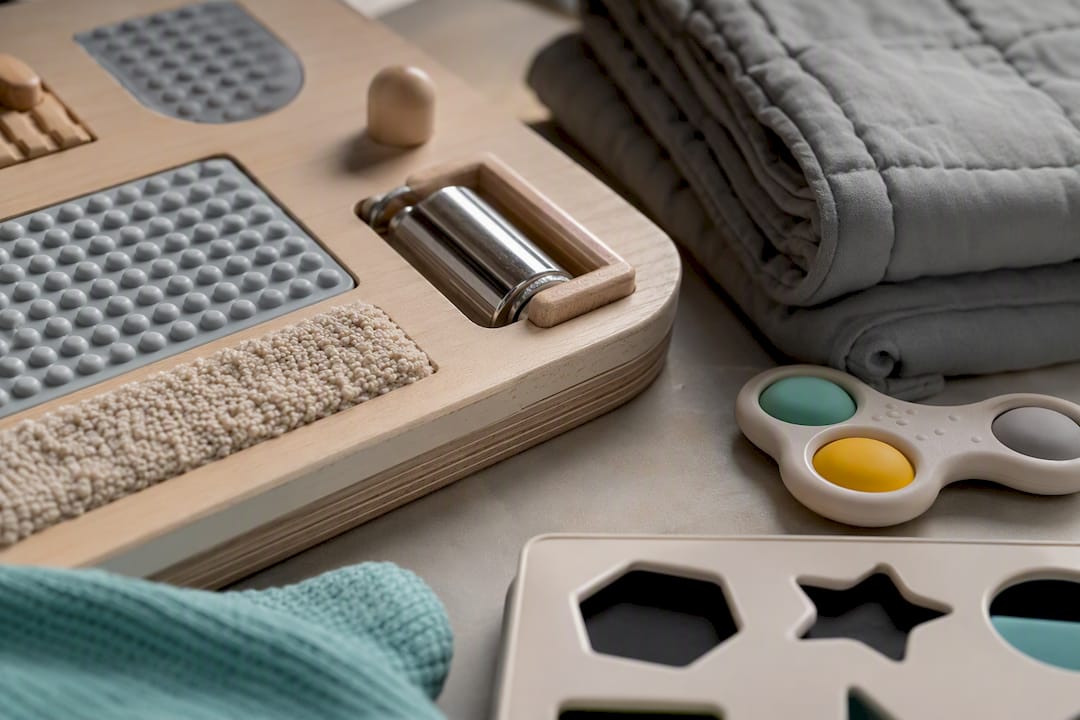
For children with motor difficulties, look for toys with larger buttons, adaptive switches, or grips designed for easier handling; many mainstream brands now sell adapted versions of popular toys. Communication-focused toys, such as picture-based games or simple cause-and-effect electronics, can support children with speech or processing differences without feeling like a therapy tool.
The safest approach, especially if you don’t know the child well, is to ask a parent or carer directly about specific sensitivities (sound, texture, light) rather than guessing. A toy that’s perfect for one autistic child may overwhelm another, so specificity matters more than category here. Where possible, choose toys with adjustable volume or brightness settings, giving the child (or their carer) control over intensity.
Durability also matters more in this category. Toys that get gripped, thrown, or mouthed repeatedly need to hold up, so check reviews specifically for robustness rather than relying on the age label alone.
How to personalise a toy gift so it feels special
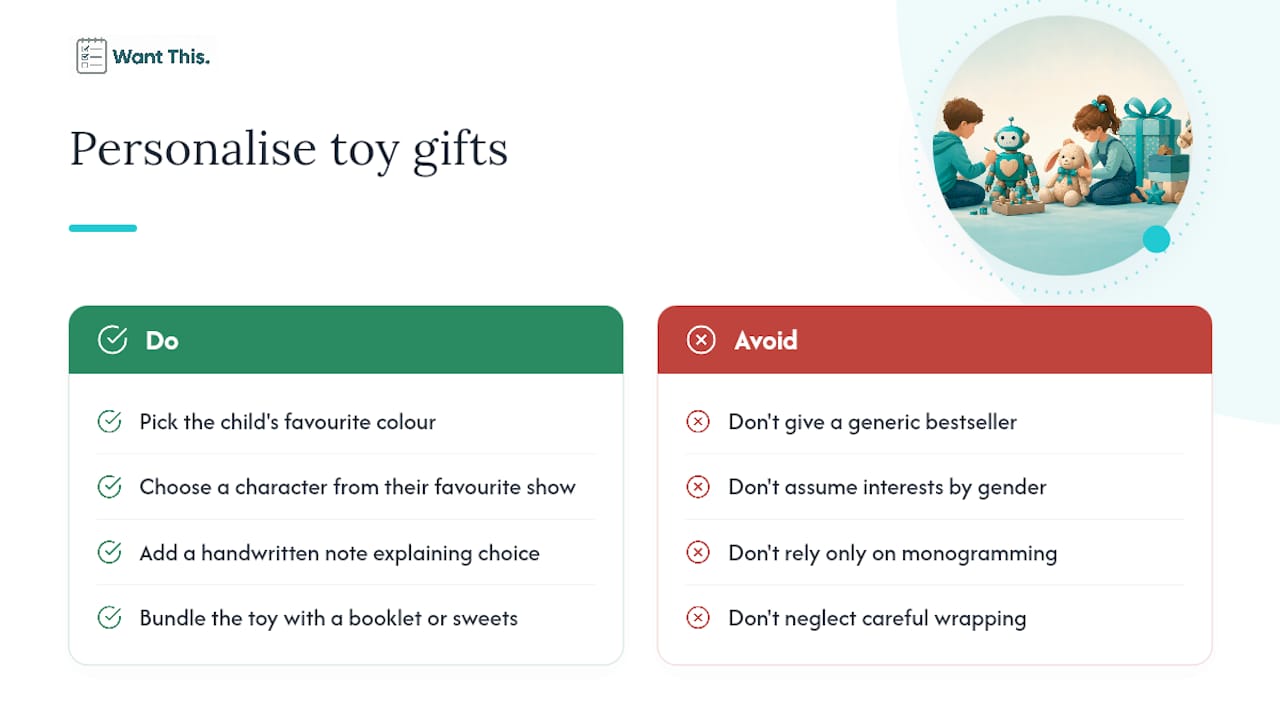
Personalisation doesn’t have to mean an engraved name plate, though that works well for keepsake toys like a wooden train or a soft toy. Small touches make a bigger difference: choosing a colour the child specifically loves, picking a character from their current favourite show rather than a generic bestseller, or pairing the toy with a handwritten note explaining why you picked it.
For older children, personalisation can mean recognising a genuine interest rather than a stereotype, a girl who loves circuit-building kits, a boy who wants a sewing machine. That kind of attention reads as far more thoughtful than any monogram.
Bundling helps too. A basic building set becomes more special paired with a small booklet of build ideas, or a board game paired with sweets for a family games night. If budget allows, an experience voucher alongside a smaller toy can add a memorable layer without inflating the toy budget itself.
Wrapping and presentation count more than people admit. A modestly priced toy wrapped with care, plus a note referencing an inside joke or shared memory, often beats an expensive but impersonal gift.
What I actually do when buying toys for other people’s kids
I stick to three rules: ask about interests before checking price, prioritise things that survive more than one afternoon, and never buy anything that needs assembly I haven’t tested myself. Sharing a wishlist saved me from buying a duplicate scooter for my niece last year, the sort of overlap that’s easy to avoid once everyone can see reserved items in one place. If you want to set that up for your own family, Wantthis’s sharing tools are worth a look.
— Stuart
Build your toy gift list with Wantthis
Using a wishlist platform can be an easier alternative to guessing what’s already been bought or scrolling multiple browser tabs trying to remember which toy you liked. Typically, you can paste a product link from any retailer, and the system pulls in the title, image, and price automatically, so your list stays organised without extra typing. Everyone invited can often privately reserve or mark items as bought, which helps avoid duplicate gifts.
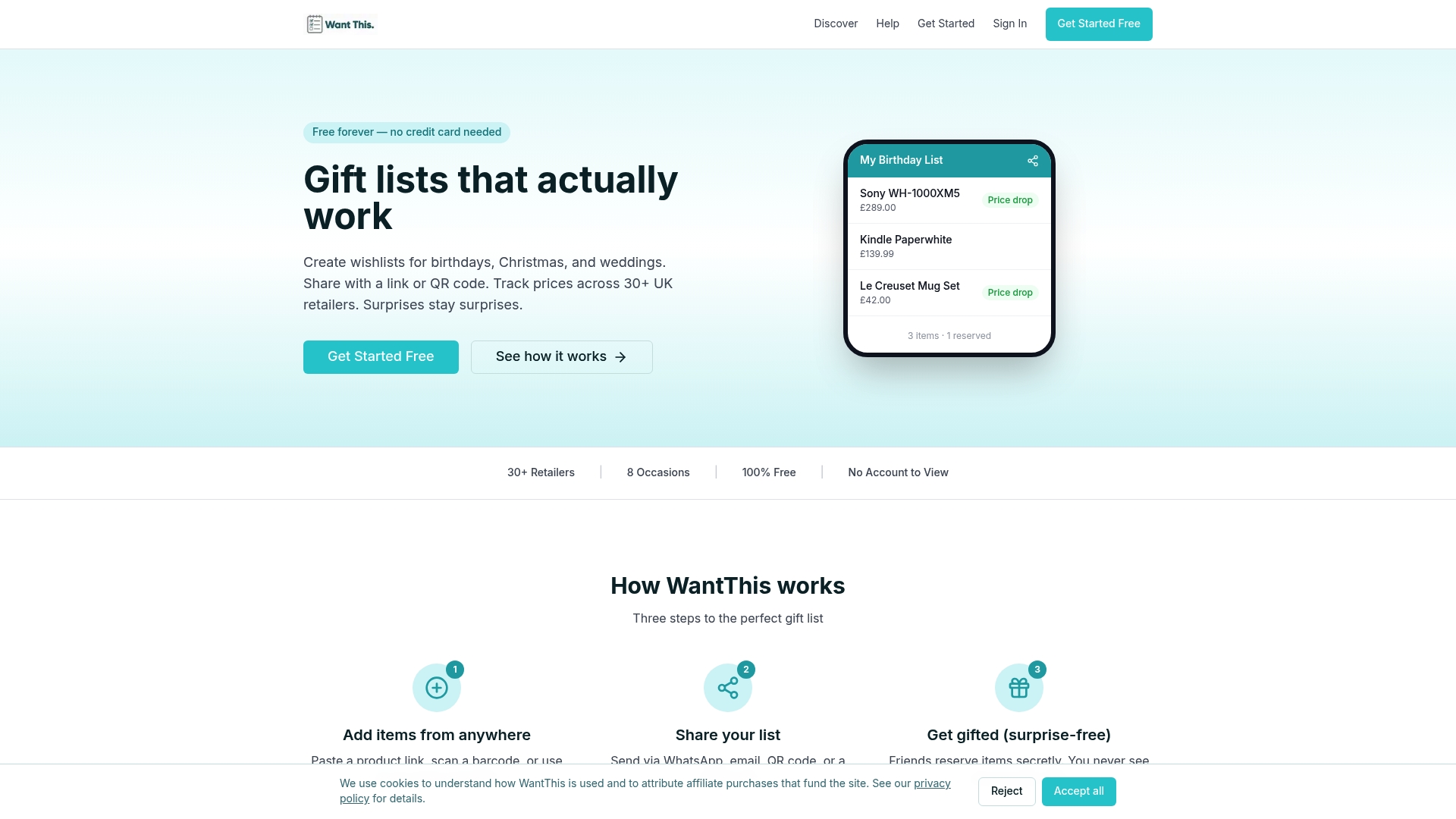
The process is simple: add an item, share the list with family, and let people reserve what they’re buying. For bigger gift swaps, the Secret Santa organiser runs the draw automatically, so nobody’s stuck sorting names out of a hat. If you’re planning gifts for several children this year, explore Wantthis’s full feature set and start your first list today.
Sources
- Gift ideas for kids by age — Good Housekeeping
- Best gifts for kids 2026: the non-parent’s guide — Which
- Best toys for kids by age — Busy Toddler
FAQ
What’s the hottest kids’ toy right now?
Trending toys shift constantly, but tested roundups from Good Housekeeping and Which update annually with current award winners across age groups, so check those before buying anything marketed purely as “this year’s must-have.”
What are the cool toys right now?
Open-ended toys like magnetic building tiles and construction sets remain consistently popular because they suit multiple ages and don’t lose relevance after one Christmas.
What are some trending toys right now?
Beyond seasonal must-haves, family board games, science kits, and hobby-specific gear (art supplies, model kits) tend to trend steadily rather than fading after a few months.
What can I gift kids besides toys?
Experience vouchers, craft subscription boxes, or personalised keepsakes all work well as non-toy alternatives, particularly for children who already have plenty of toys.
How do I avoid buying a duplicate gift?
Sharing a wishlist through a platform like Wantthis lets everyone see what’s already been reserved, so buyers don’t accidentally overlap on the same present.